By Heather Harp, Guest Columnist
Founder, Wide Tide Designs – Missoula, Montana
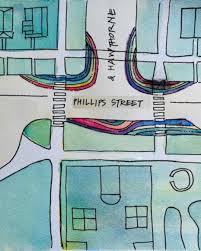
This autumn, I had the opportunity to lead a street mural project at a small neighborhood intersection near Lowell School in Missoula—a project that reminded me, again and again, that art is not just decoration. It is direction. It shows us where we are, where we’re going, and most importantly, who we belong to.
The Grant That Became a Gathering Place
It began with a $5,000 AARP Livable Communities Grant: a modest but meaningful investment intended to support creative placemaking projects that make communities more walkable, livable, and connected. As an artist and entrepreneur, I saw an even larger promise tucked inside that modest number—the chance to show that art can function as wayfinding, as civic glue, as an invitation into shared space.
Painting the Intersection—And the Social Fabric
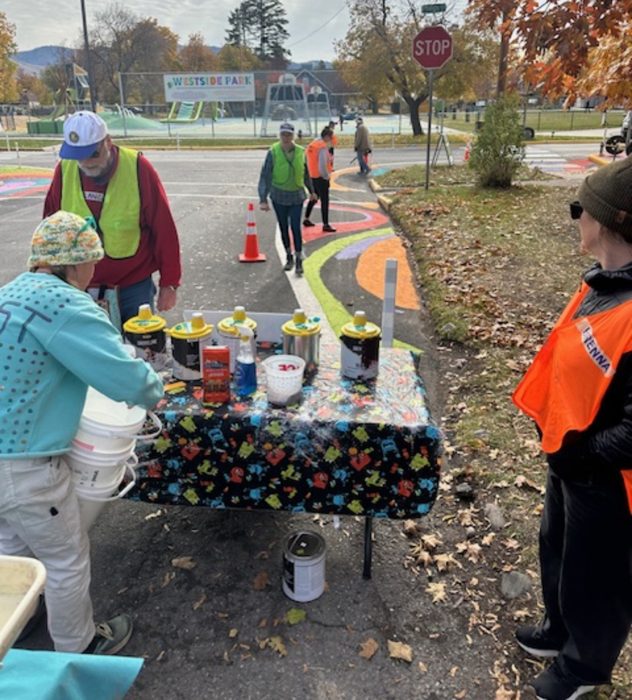
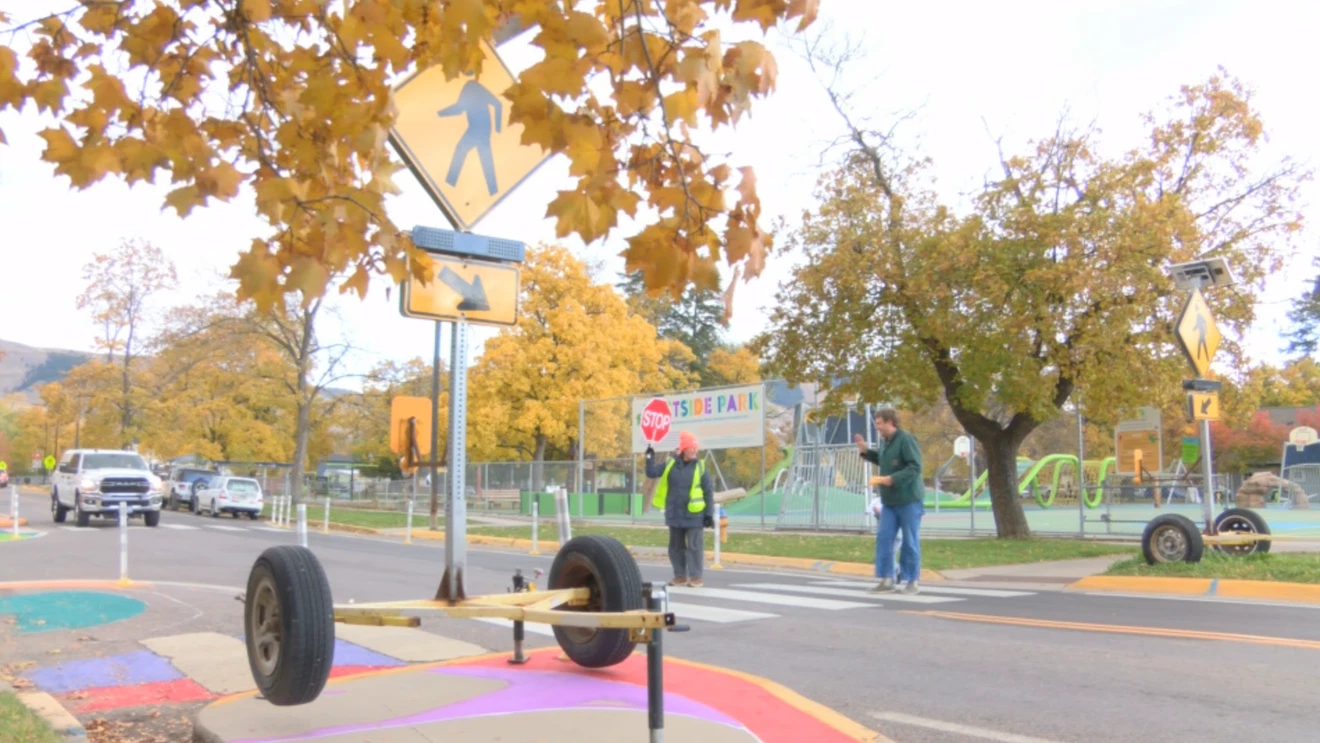
The project site was a simple street crossing at Phillips and Hawthorne, but it held deep potential: daily streams of children, families, neighbors, commuters, and the hum of a community in motion. We set out to transform that ordinary intersection into something vibrant and welcoming—not just for visibility and safety, but for joy.
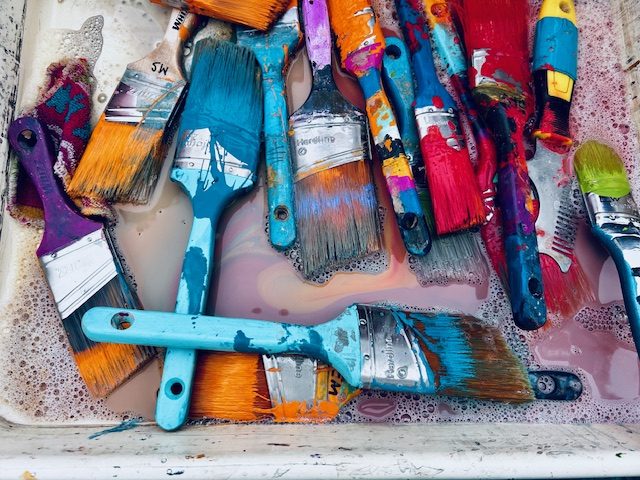
Over ten days, students sketched ideas, teachers strategized logistics, and volunteers from the Kiwanis Club joined city crews and neighbors to lay down color in wide, confident strokes. Rodda Paint stepped in with a generous material donation, placing professional tools into the hands of every fifth-grader—a gesture that elevated children from “helpers” to full collaborators. The mural became a shared language before it was even finished.
The Power of Collective Creation
By the time the project wrapped, 112 people had contributed directly to its completion—students, parents, educators, city staff, neighbors, volunteers, and that one artist who held the vision and the clipboard. On the final day, hundreds of parents and grandparents came to see their child in costume for Halloween, and were delighted to see rainbows on the asphalt.
What struck me most was how naturally community forms around creativity. When people share color, they share conversation. When they share brushes, they share trust. And when they share ownership of the art under their feet, they gain ownership of the space itself.
What It Really Takes—And Why It’s Worth It
Behind every community project lies a complicated equation: time, funding, supplies, partnerships, labor, and the invisible emotional work of gathering people around a shared vision. The grant covered part of it. Rodda Paint’s donation covered more. Volunteers filled the gaps with time, muscle, laughter, and patience.
And I—like so many artists working in the public sphere—did the hustle of stretching dollars, negotiating in-kind support, and turning logistical knots into creative opportunity. This is the entrepreneurial side of community art: the balancing act of honoring the work while making the work possible.
But here’s the truth I want other artists to hear: it can work. It can sustain you. It can enrich your community. It can elevate art into the realm of civic service, where creativity doesn’t just beautify—it transforms.
Art as Wayfinding: My Vision Forward
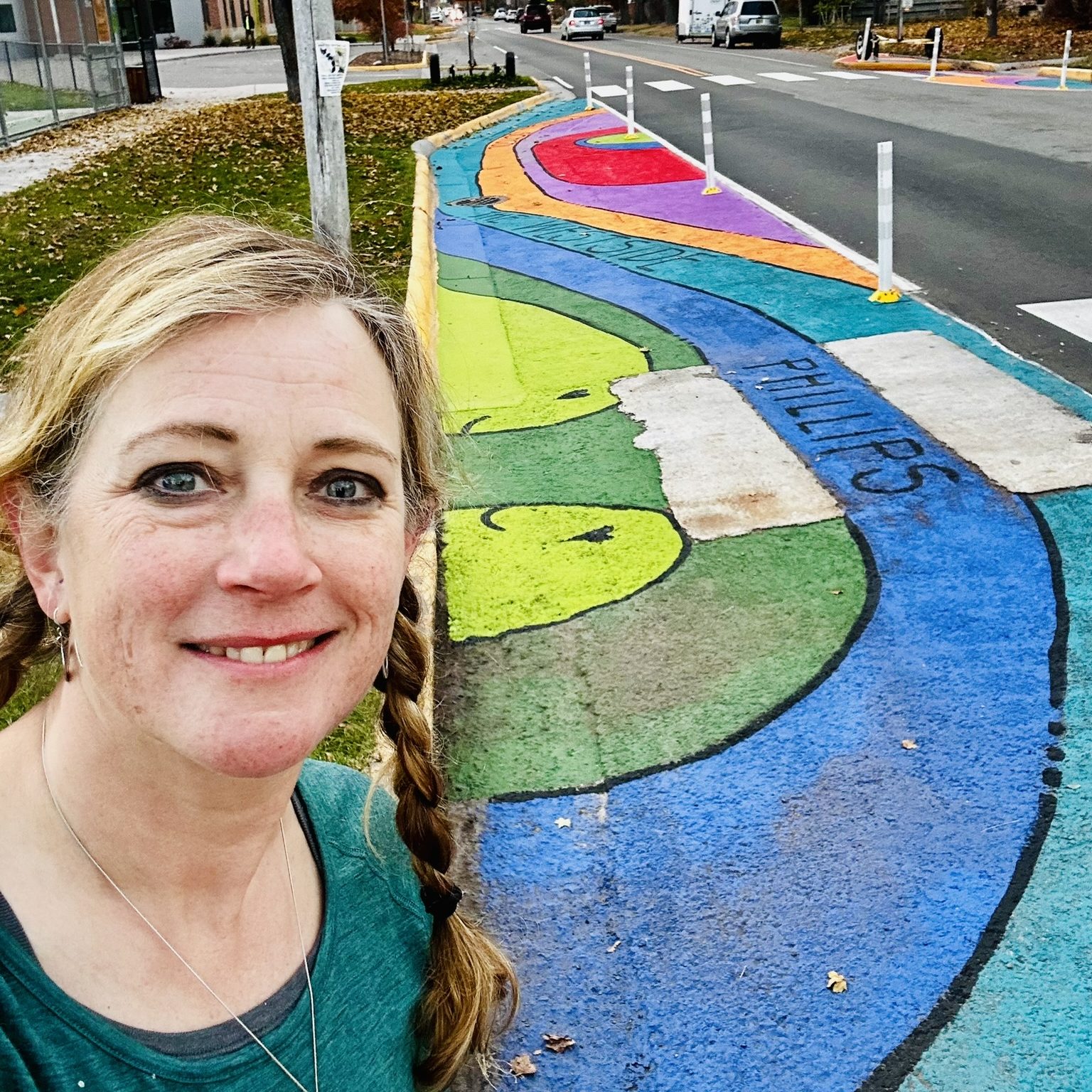
I believe deeply that art is a tool for navigation—not only of streets, but of relationships, identities, and shared purpose. A well-placed mural can guide a child safely across an intersection. A collaborative painting can guide a community back to itself. A project like this can guide an artist into a new, more expansive role—creative visionary, facilitator, connector.
We are living in a moment when communities crave connection and color in equal measure. Artists can meet that need. We can shape public space with intention, beauty, and belonging. We can invite people to participate in their environment instead of just passing through it.
The intersection mural at Lowell School is now a small, bright landmark on a neighborhood map—but it is also something larger: a reminder that when people come together to create, they find their way home.
If you are interested in learning more, feel free to reach out to me at 406-550-0786 or ciao@widetidedesigns.com.
Colorfully,
Heather Harp
Artist – Painter – Designer
About Heather Harp
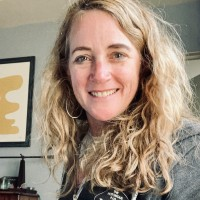
Heather Harp is a house painter, artist, and musician from Missoula, Montana, whose craft is infused with the stories she’s collected from her varied career path. Heather’s WHY is to inspire people to feel their best selves through color and music. Heather is a trained artist who creates “feltings” – large-scale wall hangings of felt fabric in beautiful, bold colors of the sea and sky that exhibit beauty and optimism. Her abstract art evokes emotion that fills her with joy and light, while her ambient piano songs are composed of melancholy and lost love. Together, the combination of music and art balances her and helps her get through the episodic depression that she has long struggled with. In early 2024, she and her daughters launched Wide Tide Designs, LLC, a platform that empowers women’s creative voices and art. Learn more at www.widetidedesigns.com